If you are suffering from rhinophyma, talk to your doctor or dermatologist to develop a plan for treatment. However, only a small percentage of people with rosacea will develop the condition. One study found that out of 108 patients with rosacea, only 15 were noted to also have rhinophyma, almost all of whom were men.
Many people believe that nose might turn purple as a simple result of constant vomiting, sneezing, smoking or alcohol abuse.
This chemical makes the blood vessels open more than other alcoholic drinks, resulting in abnormally high blood flow.
It shows up more frequently in men than women and is common among those with fair skin and European ancestry.
We’re always available to help, so if you find yourself in need of that kind of assistance, please contact us immediately.
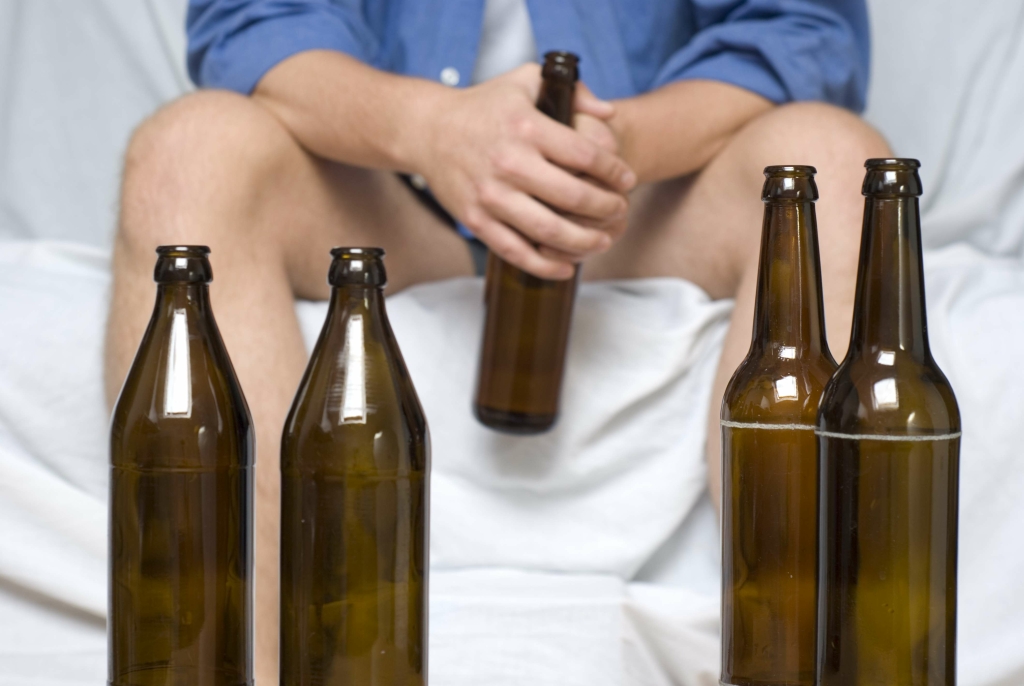
Does A Purple Nose Indicate Alcoholism?
Generally, it’s a rare condition that purple nose alcohol affects Caucasian males between the age gap of 50 to 70 years old. Rosacea is identified by reddening and thickening of the skin, pitting and scarring, broken blood vessels, and disfigurement or bulging of the nose. “Alcoholic nose,” or drinker’s nose, is a skin condition commonly identified by a red, bumpy, or swollen appearance of the nose and cheeks. It’s hard to say when exactly this condition became linked with heavy alcohol use, but stereotypes in popular media have kept this connection alive.
Comprehensive Eating Disorder Self Assessment: Gauge Your Risk Level
However, it’s always important to keep in mind that rhinophyma ultimately manifests itself as a side effect of rosacea. People can experience rhinophyma without amphetamine addiction treatment drinking alcohol or very occasionally drinking it. The Mayo Clinic reports that over a long period of time, rosacea can thicken the skin of the nose. This thickening of the nose causes it to become more bulbous, which is the condition you now know as rhinophyma.
If you have rhinophyma, the shape, appearance and color of your nose changes gradually.
Severe cases of rhinophyma can see an individual develop an extremely bulbous nose, so much that it appears to be quite disfigured.
How to Get the Help You Need if You Suffer From Alcoholic Nose
In the case of an https://abcdnow.org/key-differences-between-halfway-houses-and-sober-2/ alcohol nose, the purplish tint is often caused by dilated blood vessels and increased blood flow to the area. Drinking alcohol excessively can worsen this condition as it dilates capillaries, making discoloration more prominent. Other factors, such as rosacea or cold weather, can also contribute to a purple nose. While the alcoholic nose does not directly imply addiction for everyone, it can be a significant visual indicator of long-term heavy alcohol abuse for many individuals. If you or someone you know is struggling with alcohol addiction or substance use disorder, it’s vital to understand that comprehensive and effective help is available. Surgical treatments are often the most effective for advanced cases of rhinophyma.
Three Spirit Livener tastes of punchy and slightly funky fruit, with notes of watermelon and mixed berries. Cayenne pepper extract grants the spirit a needed kick, elevating it from fruit juice to spicy watermelon margarita. We loved the heat of Livener, but some tasters found the drink a bit too sweet to drink straight.
SodaStream and Citrus
Organic standards like USDA organic ensure purity of these products by excluding harmful chemicals during farming. Many people find that once they commit to an exercise program that helps them lose weight, they no longer want to ingest the empty calories of alcohol. Despite its benefits, some users have noted that the flavor might not satisfy all preferences. The pricing structure can also raise eyebrows, particularly as costs have fluctuated recently. Additionally, the non-returnable nature might give pause to those unsure about trying the product. Collins Nwokolo is a passionate medical physiologist, health blogger and an amazing writer.
Alternatives to Alcohol’s Buzz: Natural and Healthy Options
It’s crucial to approach this period with careful monitoring and support. These products are designed to replace traditional liquors in cocktails, providing the same taste and experience without the alcohol. While adaptogenic beverages offer potential benefits, they also carry safety concerns. These drinks are not FDA regulated, and there is a risk of negative interactions with medications. One of the primary challenges is the classification of synthetic alcohol alternatives, whether as food supplements or low-alcohol products, which impacts their marketing and distribution under UK food regulations. Lead molecule testing for synthetic alcohol alternatives is currently underway and is expected to conclude in about a year.
How to Make Potent Buzz-Inducing Alcohol-Free Drinks (DIY)
Bitters are a concentration of alcohol and botanicals once used as medicinal tonics. Some people still use them for their health benefits, but they’re mostly used as flavor enhancers in cocktails. Just keep in mind that nonalcoholic beer and wine may still have up to 0.5 percent alcohol by volume (ABV).
Start your day with uplift instead of overwhelm.
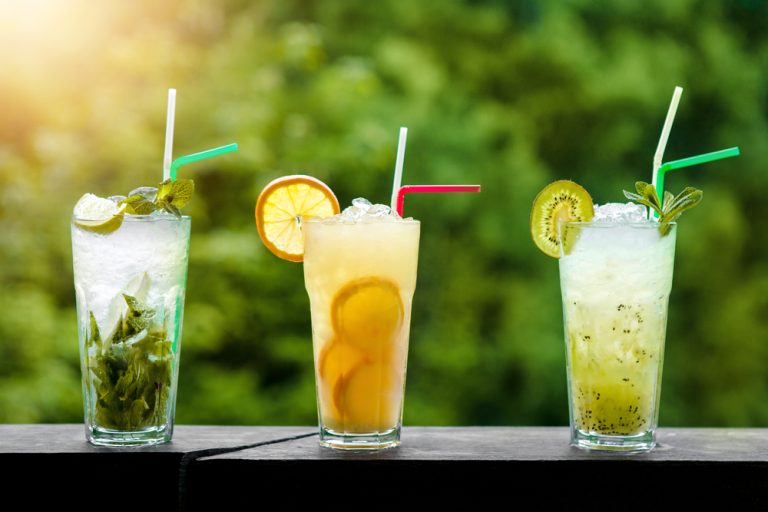
Movements like “Dry January” and the growing “sober-curious” trend have further propelled the demand for satisfying alternatives to alcoholic beverages. Non-alcoholic beer and wine offer a flavorful and socially acceptable way to enjoy the rituals of drinking without the negative consequences of alcohol consumption. Alcohol-free spirits are rapidly emerging as a sophisticated alternative to traditional alcoholic beverages, providing a complex flavor profile and a sense of occasion without the intoxicating effects. These non-alcoholic spirits are crafted using a variety of botanicals, spices, and natural flavorings, mimicking the taste and experience of their alcoholic counterparts. These beverages are designed for those who wish to enjoy the ritual of a cocktail while abstaining from alcohol, making them ideal for social gatherings, brunches, or simply unwinding after a long day.
Alcohol alternatives can be an effective (and fun!) tool for honoring your boundaries when drinking in moderation or practicing sobriety. Here are some of our favorite options that are full of flavor and free of alcohol. Alcohol-free drinks enhance focus and decision-making by avoiding the cognitive impairment caused by alcohol. When you opt for beverages like green tea or adaptogenic blends containing ashwagandha, you’ll notice improved alertness during gatherings or work events. Adaptogenic drinks help the body manage stress by balancing hormones and improving resilience.
Everything else stays as it is, which is why it still holds its flavour, body, and colour. It’s also completely sugar-free, so you won’t have to worry about that – just be sure to opt for pure coconut water and always read the label. Light and zingy, Whole Earth’s organic ginger beers are made with root extract, bringing out the fiery flavour. In fact, part of the appeal is that these alternatives improve your cognition, sleep, and recovery. Then, choose one or more of the above ingredients that share those effects.
Tenneyson Black Ginger was a jolting, difficult drink with a nice fresh ginger flavor but a disappointing grape juice finish, and it failed to hold up to mixing.
If you’re looking for a low-cost way to foray into the best nonalcoholic spirits market, Ritual’s gin alternative makes for a stiff mocktail.
As the reality of these health hazards comes to light, there is a growing movement of people changing their relationships with alcohol, from conscious cutbacks to completely eliminating them.
By making exercise and fitness a part of your daily regimen, you can improve your physical health, enhance your mental well-being, and enjoy the numerous benefits of a healthy and active lifestyle.
Why settle for the ordinary when you can savor something that truly complements your lifestyle?
Create a non-alcoholic buzz
Poured over ice, the flavors blend and the sweetness mellows, creating a more dynamic and subtle drinking experience.
Cutting out alcohol from your social beverages is a definite plus when it comes to living a healthier lifestyle, but are there any other benefits to nonalcoholic options?
Addiction Resource does not offer medical diagnosis, treatment, or advice.
Embrace these choices to enjoy vibrant health, mental clarity, and meaningful moments without compromising on taste or enjoyment.
For example, you could serve a “cucumber lime refresher” made with cucumber, lime juice, and mint, or a “spicy ginger fizz” made with ginger ale, lime juice, and a splash of cayenne pepper. These types of drinks can be just as enjoyable and festive as their alcoholic counterparts, and they offer a great way to stay hydrated and healthy while still having fun. Engaging in physical activities such as walking, yoga, or dancing can provide a natural boost to your mood and energy levels. Regular exercise releases endorphins, which can help reduce stress and improve overall mental health.
Taking part in workshops or classes, such as cooking, coding, or photography, can help teens discover new interests and develop valuable skills. These activities can also provide a sense of accomplishment and direction while being alcohol-free. Learn effective cyberbullying prevention strategies to keep your kids safe online.
I decided to ditch my morning coffee and try this one at my desk, to a few raised eyebrows at the clinking of ice in my glass. In hindsight, I probably should have tested something designed for “lively” alcohol occasions in a dark warehouse rather than behind the glare of a screen. “Exercise has been shown to actually change the brain structurally,” says professor of psychological sciences, Dr Julia Chester. “It’s healthy for your brain because it increases oxygen, blood flow, and hormones that support the neurons in your brain.” Exercise also helps you to see your world in a different way.
They are often crafted through advanced techniques to ensure that the taste is satisfying and enjoyable. This broad array of options enables consumers to find something that suits their palate https://ecosober.com/ and complements their lifestyle, providing a sense of inclusivity in social settings. Ultimately, the rise of non-alcoholic drinks empowers us to make more conscious choices about what we consume. It allows us to prioritize our health and well-being without sacrificing the enjoyment and social connection that often revolve around beverages.
Research suggests that partial GABA receptor agonists, like AZD7325, can minimize the risk of excessive intoxication, providing a safer alternative to traditional alcohol.
Superclasico was a rare unanimous favorite among our testers, who found it refreshing and light and would happily serve it at a party.
Kombucha, a fermented tea drink, offers a complex, slightly tart, and effervescent experience that rivals many cocktails.
Just remember to put your phone down for a while afterward — doom-scrolling or watching the news will just fire up your brain again.
Lion’s mane is brewing up in beers too, infused within Collider’s recently released non-alcoholic Unwind Lager and Unwind Session Pale (from £27 for 12, drinkcollider.com).
Whether you go for a single-flavor pack or sample them all, RSRV Collective’s Kenshō cocktails are a memorable journey into the art of alcohol-free mixology. While alcohol may be falling out of favor, that doesn’t necessarily mean sacrificing the ritual of enjoying a great drink. Whether you’re looking for a buzz without the booze, a drug addiction vitamin-rich wellness tonic, or just something to relax with for a hop-free happy hour, there are plenty of non-alcoholic drink options. Here are some of the best brands offering a booze-free imbibing experience with drinks to relax.
10.3 million LGBT+ adults had a substance use disorder and/or mental illness in 2020. Whatever you’re struggling with, our substance use treatment programs can help you break free from the cycle of addiction and achieve long-term sobriety. However, taking opioids beyond a certain limit limits the body’s natural detoxification system and overfloods the opioid receptors. This creates a deep change in pain perception and ability to sense other hormonal signals.
What Types Of Prescription Drugs Cause Addiction?
On a regular basis, Matt collaborates with Elevate’s President, CEO, COO & Clinical Director to evaluate, plan and monitor program objectives and requirements.
A person who injects these drugs risks infection at the injection site and around the heart.
Since working for Elevate, I’ve continued to develop skills related to linear thinking and problem solving, which have contributed to streamlining operations and successful risk management.
Instead, the Diagnostic and Statistical Manual of Mental Disorders, 5th edition (DSM-5) uses the term substance use disorder (SUD).
Besides unwanted side effects, risks of prescription drugs may include drug interactions, allergic reactions, the development of drug resistance, and the possibility of dependence or addiction.
She has a strong work ethic and it’s not unusual for her to be up at the facility at 2am or on the phone all night helping guide our staff on how to best manage whatever situations come up. Rebound Behavioral Health is an adult inpatient treatment center and substance abuse rehab program nestled in a peaceful, wooded estate. Implementing evidence-based programs that focus on building skills, strengthening families, and targeting at-risk individuals has been shown https://soulsurvivorinternational.org/2021/12/23/ketamine-national-institute-on-drug-abuse-nida-2/ to significantly reduce substance abuse. Effective prevention involves addressing both individual and environmental factors.
Mental Health Resources
Christine Dayton is a professional health writer with over a decade of experience in geriatric care and wellness, mental health, end-of-life support, and bereavement care. The Clinical Affairs Team at MentalHealth.com is a dedicated group of medical professionals with diverse and extensive clinical experience. Cognitive-behavioral therapy (CBT) is widely used to help patients recognize negative thought patterns. Recognizing patterns prescription drug abuse makes it easier to develop coping mechanisms and increase motivation for recovery 9.
How can an opioid overdose be treated?
One of the brain areas still maturing during adolescence is the prefrontal cortex—the part of the brain that allows people to assess situations, make sound decisions, and keep emotions and desires under control. The fact that this critical part of a teen’s brain is still a work in progress puts them at increased risk for trying drugs or Drug rehabilitation continuing to take them. Introducing drugs during this period of development may cause brain changes that have profound and long-lasting consequences.